

NEWSLETTER - October 7, 2026
OPTIMISM ABOUT ORGANIC’S FUTURE
John Foster, President Wolf & Associates
One thing stayed with me after Organic Week in Washington, D.C.: the optimism of people who understand just how difficult this moment is. Political uncertainty, economic pressures, unpredictable trade, and gaps in domestic production and infrastructure were all part of the conversation. So was the responsibility to protect organic integrity. Yet the prevailing spirit was forward-looking—a confidence born from experience. Organic has never advanced because conditions were perfect. It has advanced because committed people built the standards, businesses, markets, and relationships needed to move it forward.
This year’s theme, “Organic Starts With You,” captured that spirit. Individual commitment matters, but lasting progress requires collective action: strengthening domestic supply chains, engaging constructively with policymakers, and upholding standards worthy of public trust. That includes holding our own accountable when they fall short. Turning growing demand into a stronger, more durable organic system will take all of us. Despite the late nights, I left Washington clear-eyed about the obstacles and encouraged by the people prepared to meet them.
This month’s newsletter offers more reasons for optimism: investments in organic transition, new market opportunities for farmers, mentorship programs, and practical resources for growers and handlers—including OrganicHandlers.org, which we were pleased to help develop. Alongside regulatory updates, emerging research, and our latest Insights Webinars, these stories show how people across the sector are building the knowledge, capacity, and connections organic needs to grow.
Global Lens
New EU Directive Aims at Greenwashing
As of September 27, companies operating in the European Union must now meet the requirements of the Empowering Consumers for the Green Transition Directive,which seeks to prevent greenwashing with strict requirements for business-to-consumer communication. In general, all claims must be substantiated and verifiable, with plans in place for future-oriented claims.
Inside the Beltway
NOP Wants to Adjust Paperwork Estimates
The U.S. Department of Agriculture (USDA) Agricultural Marketing Service (AMS) is requesting that the Office of Management and Budget (OMB) extend the approval for the currently approved collection, National Organic Program (NOP) (OMB Control Number 0581-0191), for three years past its existing expiration date of May 31, 2027.
AMS intends to revise the explanatory/instructional text in forms TM-10CG, Application for Accreditation; TM-11, Export Certificate; and NOP 2110-1, NOP Import Certificate. In addition, AMS plans to change the estimates of paperwork burden for several NOP activities. Comments on these proposed changes are due November 24.
REGULATORY UPDATES
New Law Opens Markets for California Farmers
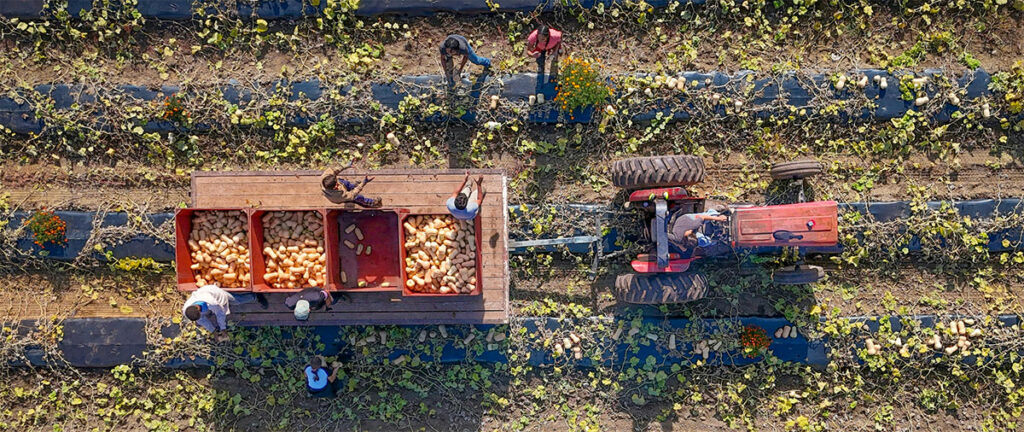
The Healthy Food for California Public Institutions Program, co-sponsored by California Certified Organic Farmers, creates a new pathway for farmers to sell healthy, locally grown food to schools, hospitals, universities and other public institutions. The program will include a publicly available list of suppliers offering whole or minimally processed California-grown foods produced using climate-smart agricultural practices, which include organic farms and those in transition to organic.
California Invests in Organic Transition
California’s state budget includes $15 million for the Organic Transition Pilot Program, which provides support for farmers and ranchers in preparing land for organic certification.
California Approves Voluntary Non-UPF Label
Foods that meet California’s definition of non-ultraprocessed can now sport a sealindicating their status after review by accredited certification agents. On September 28, Governor Gavin Newsom signed a bill approving the new label. California considers products ultraprocessed if they contain specified functional ingredients and either “high amounts” of saturated fat, sodium, or added sugars; or a nonnutritive sweetener or other covered substance.
On Our Radar
Which Matters More for Soil Health—Climate or Management?
Researchers in Europe examined how climate change and farm management practices influenced soil health and found that climatic and geographic factors were more strongly associated with soil properties than farming system. On a local level, however, organic farming can enhance organic matter, reduce bulk density, and maintain inorganic carbon stocks.
Organic Farming Reduced Nitrogen Pollution
A study published in the Journal of Environmental Quality found that in Mid-Western soils, organic crop rotations and perennial pasture systems reduced nitrogen loss compared to conventional corn-soybean rotations, even as crop yields remained comparable.
What’s Stopping Organic Growth?
Supply chain constraints could impede growth, according to Whole Foods Market CEO Jason Buechel at the Organic Trade Association’s Organic Week conference. Some product categories, such as beef, rely on imports, even as US organic acreage has dropped 10.9% from 2019-2021. Learn more about the constraints on the domestic livestock production in our recent Insights Webinar “Where’s the (Organic) Beef?” available online.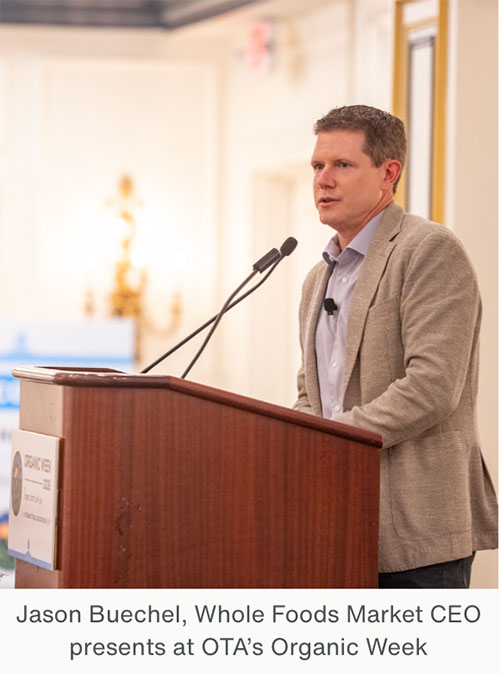
Test Shows More Nutrients in Organic Beef
On October 1, Niman Ranch released results of a nutrient test that compared their grass-fed Regenerative Organic Certified beef to USDA FoodData Central reference values for ground beef and ribeye. The test found differences in fatty acids, vitamins and minerals, with 179% more Omega 3s in the ground beef and 249% more in the ribeye. The results are an early look at how Niman’s farm practices may impact nutrition.
Compost Analysis Standards To Be Revised
Updates to the Test Methods for the Examination of Composting and Compost(TMECC)—the lab manual of standard protocols for the composting industry—will include changes to field-testing methods, methods for determining total nitrogen, and standards for PFAS. The completed update is expected in Fall 2027.
People & Events
New Options for Organic Farm Mentorships
As the Transition to Organic Agriculture Program winds down this year, the Swette Center for Sustainable Food Systems is taking up the mantle of mentorship support through its Kernel program. The efforts will facilitate farmer-to-farmer mentorships, expand organic production nationwide, and strengthen the domestic organic foods sector.
New Online Resources for Farmers and Handlers
- The Organic Trade Association launched OrganicHandlers.org to provide practical information for organic and transitioning handlers and processors around crucial topics such as inspections, supplier management, and regulatory compliance. Wolf & Associates was honored to be a part of its development.
- Cornell University’s College of Agriculture and Life Sciences published an Organic Production and IPM Guide for Vegetables. The 25-chapter online guide offers information for organic growers, including essential agricultural practices and IPM strategies, ranging from soil and nutrient management and cover cropping to food safety, weed control and sprayer technology.
RODALE INSTITUTE’S “FARMERS’ TOOLKIT 2026” MAPS ORGANIC PRODUCTION GAPS AND BUYER PRIORITIES.

WOLF & ASSOCIATES INSIGHTS SERIES
Growing Organic Livestock: Closing the Feed Supply Gap
Growing demand for organic beef, dairy and eggs brings a pressing question: How can domestic organic feed production keep pace? In W&A’s Where’s the (Organic) Beef? webinar, panelists Mark King, Tracy Favre, Brian Halweil and Scott Ricejoined moderator Sylvia Tawse to explore rising feed costs, infrastructure gaps and the challenges of keeping farmers in organic production, and a hopeful path forward.
Watch the recording for practical insights into closing the supply gap and building a stronger, more resilient organic sector.
Go In-Depth with Wolf & Associates
At Wolf & Associates, we like to dig deep into topics that make a difference for your business today—and as you look to the future. Recent Insights webinars for you on our website include:
- Demystifying the Common Organic System Plan (OSP) —Learn about the origins, purpose, and potential of the Common OSP.
- Tariffs, Turbulence & Truths —A focused, expert-led webinar that cuts through the noise and help you make informed decisions with confidence.
Where to Find Us
Organic Grower Summit, December 2-3, Monterey, California.
Accredited Certifiers Association Conference, January 26-28, 2027, Louisville, Kentucky
Organicology, February 16-18, Portland, Oregon.